























































Blackjack strategy 101: What is the hit & stand betting system? Betway Insider

It’s a simple system, but how should you utilise it? Read our guide, and see if you can build your profits. 23 May|BY Betway| MIN READ TIME|

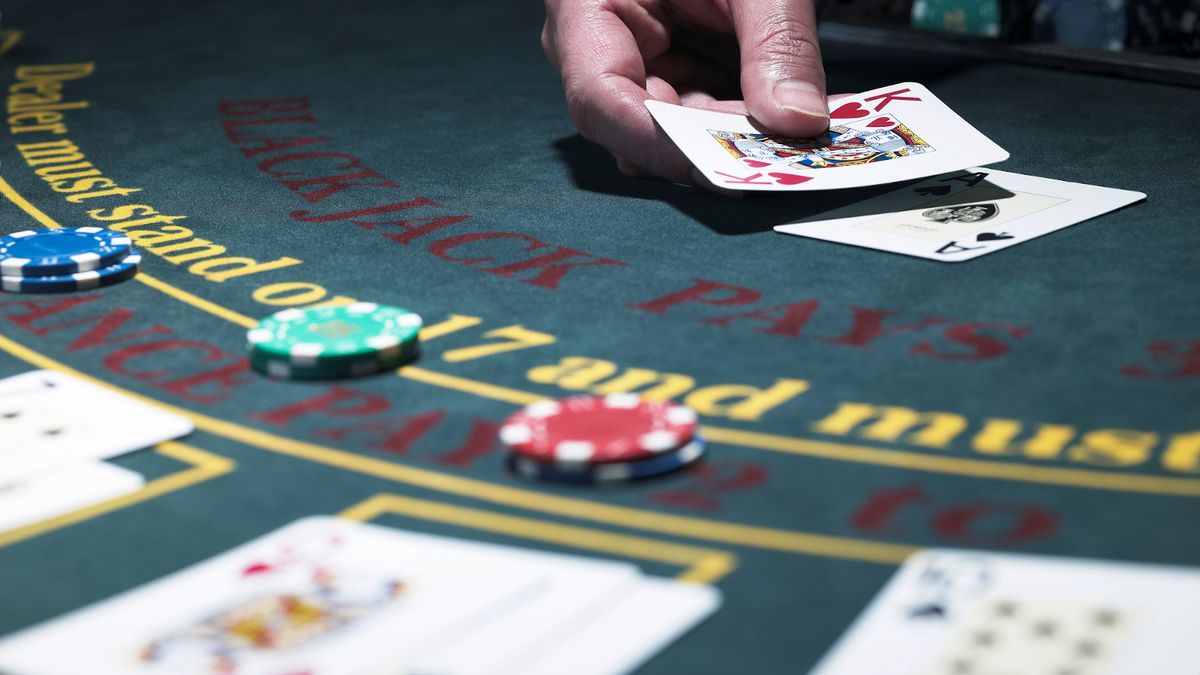
Whatever version of blackjack you play, you will have two decisions to make: to hit or to stand.

Hitting and standing are easy concepts to grasp, but it takes skill to utilise them. Let’s look at how making the right moves at the right times can increase your chances of winning at Blackjack.

Understanding the hit & stand in casino blackjack

When you hit, you will receive another card from the dealer. You can carry on hitting until you have either ‘bust’ (gone over 21), or you can decide to stand by taking no further cards.

The aim of the game is to get as close to 21 as possible without going over.

But it’s an art knowing when to hit, and when to trust your hand. Even standing on a low hand can make sense if you think you could soon go bust.

When to hit in Blackjack

In general, if you have a total of 8, you should hit against any card that the dealer holds. With so many 9 and 10-value cards in the deck, the chances of you making a good hand are high.

Similarly, if the dealer shows a high card – and therefore is likely to make 21, or at least a good hand – you should look at hitting your high cards, too. Remember, the idea is just to beat the dealer’s total.

But if you are unlikely to win anyway, take another card.

For example, if you hold 13 or 14 and the dealer has 7 or above, you’re likely in bad shape. Take another card and see where you are.

When to stand in Blackjack

You should stand on all totals of 17, 19, or 20. You gain nothing from taking another card, regardless of what the dealer has. You don’t want to go bust.

Watch out for good totals that can be split. For example, if you get 8-8, 9-9, or 10-10, they can be split to form two new perfectly good hands.

It’s also important to know the difference between soft and hard hands.

“Soft” hands contain an ace (which counts as 1 or 11), while “hard” hands are made up of other cards.

The same total can be treated differently depending on which camp it falls into.

For example, if you have a “hard” 16 (e.g. 9-7) you should stand if the dealer shows a 2, 3, 4, 5, or 6.

However, if you have A-5, and a “soft” 16, it’s worth hitting if the dealer shows a 2, and even doubling down if the dealer shows 3, 4, 5, or 6.

Why? Because a soft hand can make a much stronger total if you draw a high-value card.

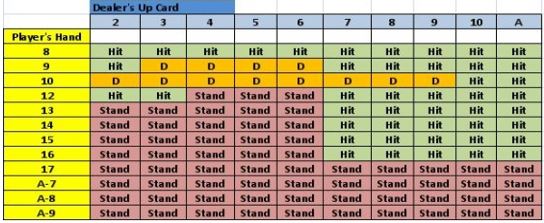
When to hit/stand – Basic Chart
Hit and stand in blackjack variants

The beauty of online blackjack is that players aren’t restricted to just one variant.

European Blackjack has two or three moves, but some alternative variations have different side bets. This can alter the way you hit and stand with your cards.

Atlantic City Blackjack has a ‘surrender’ option for players. It’s a special move that allows you to give up your hand early and receive 50 per cent of your stake back.

For example, when you hold a 15 or 16, and the dealer has a 9, 10, or Ace showing, you can take the surrender.

Trying hit and stand betting system

The rules of blackjack are basic, but knowing when to hit or stand is vital.

Many players get stuck with hands worth 16 or 17, for example. Where a “hard” 17 is good to stand on, you cannot necessarily say the same for a “soft” 17 (A-6).

Make sure you have a good understanding of the basic chart, so that you know which decision to make in each situation.

18 Oct28 Aug22 Aug28 Aug30 MayJoin the club that lets you earn £10 in Free Bets EVERY WEEK

OPT IN

This site only collects related articles. Viewing the original, please copy and open the following link:Blackjack strategy 101: What is the hit & stand betting system? Betway Insider

Latest Articles Popular Articles
Recommended Articles

15 of the Best Blackjack Strategies

The following strategies can be used in all games unless stated otherwise. The strategies discussed below also assume you are a recreational player and not a card counter.

Spanish Blackjack Strategy Table

Spanish Blackjack has many rule differences from traditional blackjack. A summary of Microgaming rules is below: Unique Rules – Played with 48-card decks with 10s (10s, not face cards) removed, Player BJ beats dealer BJ, Player 21 beats dealer 21, Double on any number of cards, Re-double down once, Surrender after doubling down Bonuses – 5-card 21 pays 3:2, 6-card 21 pays 2:1, 7+-card 21 pays 3:1, Unsuited 6/7/8 or 7/7/7 pays 3:2, Suited 6/7/8 or 7/7/7 pays 2:1, Spades 6/7/8 or 7/7/7 pays 3:1, Suited 7/7/7 against dealer 7 pays 50:1. Common Blackjack Rules – 8 decks, Dealer hits soft 17, Dealer peeks for blackjack, Double after split, Resplit to 4 hands, Resplit aces, Draw to split aces, Surrender allowed The bonuses for 5+ card hands results in a complex strategy that is dependent on the number of cards in your hand. In the strategy tables below, D# indicates double if your hand has # or fewer cards, otherwise hit. S# indicates stand if your hand has # or fewer cards, otherwise hit. The first table applies to typical situations, when the player has not yet doubled. The second table applies to after the player has doubled, when the only possible strategy options are stand, redouble, or surrender (no hit). There is not a universal consensus for Spanish 21 strategy with these rules. The following hands are close calls where strategy recommendations may differ: 5/6 vs dealer 6 (double vs hit), 13 vs dealer 6 (hit vs stand), A2/3 vs dealer 3 (double vs hit).The strategy tables below are primarily based on Wizard of Odds’ analysis of the game. I have not manually verified all of the unique strategy decisions. Strategy When Player Has Not Doubled| Your Hand | Dealer’s Face-up Card | |—|—| | 2 | 3 | 4 | 5 | 6 | 7 | 8 | 9 | 10 | A | | 5-7 | H | H | H | H | D | H | H | H | H | H | | 8 | H | H | H | D | D | H | H | H | H | H | | 9 | H | D3 | D | D | D | H | H | H | H | H | | 10 | D4 | D4 | D | D | D | D4 | D4 | H | H | H | | 11 | D3 | D4 | D4 | D4 | D4 | D4 | D4 | D3 | D2 | D2 | | 12 | H | H | H | H | H | H | H | H | H | H | | 13 | H | H | H | H | S3* | H | H | H | H | H | | 14 | H | H | S3* | S4* | S5* | H | H | H | H | H | | 15 | S3* | S4* | S5 | S5 | S | H | H | H | H | H | | 16 | S5 | S5 | S5 | S | S | H | H | H | H | R | | 17 | S | S | S | S | S | S | S5 | S5 | S5 | R | | 18+ | S | S | S | S | S | S | S | S | S | S | | | | A,2 | H | D2 | D | D | D | H | H | H | H | H | | A,3 | H | D2 | D3 | D | D | H | H | H | H | H | | A,4 | H | H | D3 | D3 | D4 | H | H | H | H | H | | A,5 | H | H | D2 | D3 | D4 | H | H | H | H | H | | A,6 | H | H | D2 | D3 | D4 | H | H | H | H | H | | A,7 | S3 | S3 | D3 | D4 | D5 | S5 | S3 | H | H | H | | A,8 | S | S | S | S | S | S | S | S | S5 | S5 | | A,9 | S | S | S | S | S | S | S | S | S | S | | | | 2,2 | P | P | P | P | P | P | P | H | H | H | | 3,3 | P | P | P | P | P | P | P | H | H | H | | 4,4 | H | H | H | D | D | H | H | H | H | H | | 5,5 | D | D | D | D | D | D | D | H | H | H | | 6,6 | H | H | P | P | P | H | H | H | H | H | | 7,7 | P | P | P | P | P | P* | H | H | H | H | | 8,8 | P | P | P | P | P | P | P | P | P | R | | 9,9 | S | P | P | P | P | S | P | P | S | S | | 10,10 | S | S | S | S | S | S | S | S | S | S | | A,A | P | P | P | P | P | P | P | P | P | P | | | | H | Hit | | S | Stand | | S# | Stand on # or fewer cards, otherwise Hit | | S* | Stand unless 6/7/8 bonus is possible | | D | Double | | D# | Double on # or fewer cards, otherwise Hit | | P | Split (Pair) | | P* | Split unless suited 7s (possible bonus) | | R | Surrender if possible, otherwise Hit | Strategy When Player Has Doubled| Your Hand | Dealer’s Face-up Card | |—|—| | 2 | 3 | 4 | 5 | 6 | 7 | 8 | 9 | 10 | A | | 7 | D | D | D | D | D | D | R | R | R | R | | 8 | D | D | D | D | D | D | D | D | R | R | | 9 | D | D | D | D | D | D | D | D | D | D | | 10 | D | D | D | D | D | D | D | D | D | D | | 11 | D | D | D | D | D | D | D | D | D | D | | 12 | S | S | S | S | S | D | D | R | R | R | | 13 | S | S | S | S | S | S | R | R | R | R | | 14 | S | S | S | S | S | S | R | R | R | R | | 15 | S | S | S | S | S | S | R | R | R | R | | 16 | S | S | S | S | S | S | R | R | R | R | | 17 | S | S | S | S | S | S | S | S | S | R | | 18+ | S | S | S | S | S | S | S | S | S | S | | | | A,2-A,6 | D | D | D | D | D | D | D | D | D | D | | A,7 | S | S | D | D | D | S | S | S | S | S | | A,8+ | S | S | S | S | S | S | S | S | S | S | | | | S | Stand | | D | Double | | R | Surrender | Copyright © 2006-2014 www.beatingbonuses.com. All Rights Reserved.

Ultimate Blackjack Strategy Card (multiple deck) – Las Vegas Advisor

$7.99 The Ultimate Blackjack Strategy Card (multi-deck) feature Don’s easy-to-use basic strategy and his cutting-edge ultimate strategy for use with either casino or online play. (Product includes shipping.) In stock Don Schlesinger’s Ultimate Blackjack Strategy Card (multi-deck) feature Don’s easy-to-use basic strategy and his cutting-edge ultimate strategy for use with either casino or online play. Each 3.5″ by 5″ tri-fold card contains four charts of the most scientifically advanced blackjack strategies available to the traditional player. Each chart allows you to use the basic, total-dependent, strategy or the ultimate, composition-dependent, strategy, which offers the most precision available from any strategy card on the market. Each card also contains the strategies for 4 different games, based on the different rules available at the table. Powerful and easy to use, each chart maximizes your odds of winning at the tables or online. The cards also include detailed instructions explaining how to use each chart, which rules are better for the player, how the house edge affects your bankroll, and much more. (Don is also the author of the best selling Blackjack Attack.) Writer Don Schlesinger Format Strategy Card There are no reviews yet. Dunbar’s Risk Analyzer for Blackjack $7.95Add to cart 21st Century Card Counter Sale!$27.95$23.75Add to cart Ultimate Blackjack Strategy Cards (set of 3) $19.99Add to cart $7.95Sale!$27.95$23.75$19.99

# Article Title Keyword Article Link Article Details