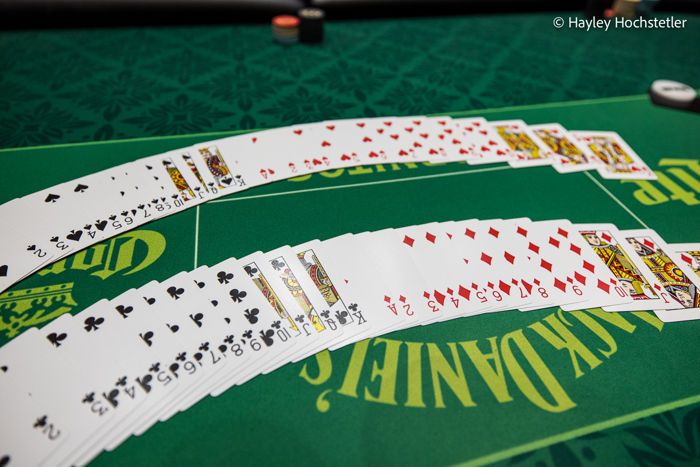


























































Counting Cards in Poker - How it Works and is it Legal? PokerNews

Card counting is a controversial technique in blackjack, but can you card count in poker and is it legal? Here’s everything you need to know about counting cards in poker. Name SurnameMatt HansenLive Reporting ExecutiveCopy linkShare on TwitterShare on FacebookOct 11, 20238 min readCash
Table Of Contents

  • What Does Counting Cards Mean?

  • Counting Cards in Blackjack

  • Counting Cards in Baccarat

  • Counting Cards in Poker

  • Can you Count Cards in Poker?

  • Why Count Cards in Poker?

  • Is Counting Cards Legal in Poker?

  • Blackjack vs Poker Card Counting - What’s the Difference?

  • Counting Cards in Poker FAQ

  • What Does Counting Cards Mean?

  • Counting Cards in Blackjack

  • Counting Cards in Baccarat

  • Counting Cards in Poker

  • Can you Count Cards in Poker?

  • Why Count Cards in Poker?

  • Is Counting Cards Legal in Poker?

  • Blackjack vs Poker Card Counting - What’s the Difference?

  • Counting Cards in Poker FAQ

Card counting is one way players might train to find an edge in the casino. With enough studying and preparation, players can take advantage of a significant change in the odds of winning.

Card counting is a controversial technique in other card games such as blackjack, but players can find a significant edge if done correctly. You can count cards in blackjack, but can you card count in poker games, and is it legal?

Here’s everything you need to know about counting cards in poker.

What Does Counting Cards Mean?

Counting cards is a strategy where players track the relative abundance of high and low-value cards in a deck. By assigning values to cards and mentally keeping a running total, players can predict when the deck favors them with more high-value cards, increasing their chances of winning.

This card-counting technique is not illegal but is often discouraged by casinos, which may ban players who employ it. Counting cards and card-counting techniques require a sharp memory, quick calculations, and discretion to avoid detection. While not a guaranteed way to win, it can shift the odds in the player’s favor when executed effectively.

Counting Cards in Blackjack

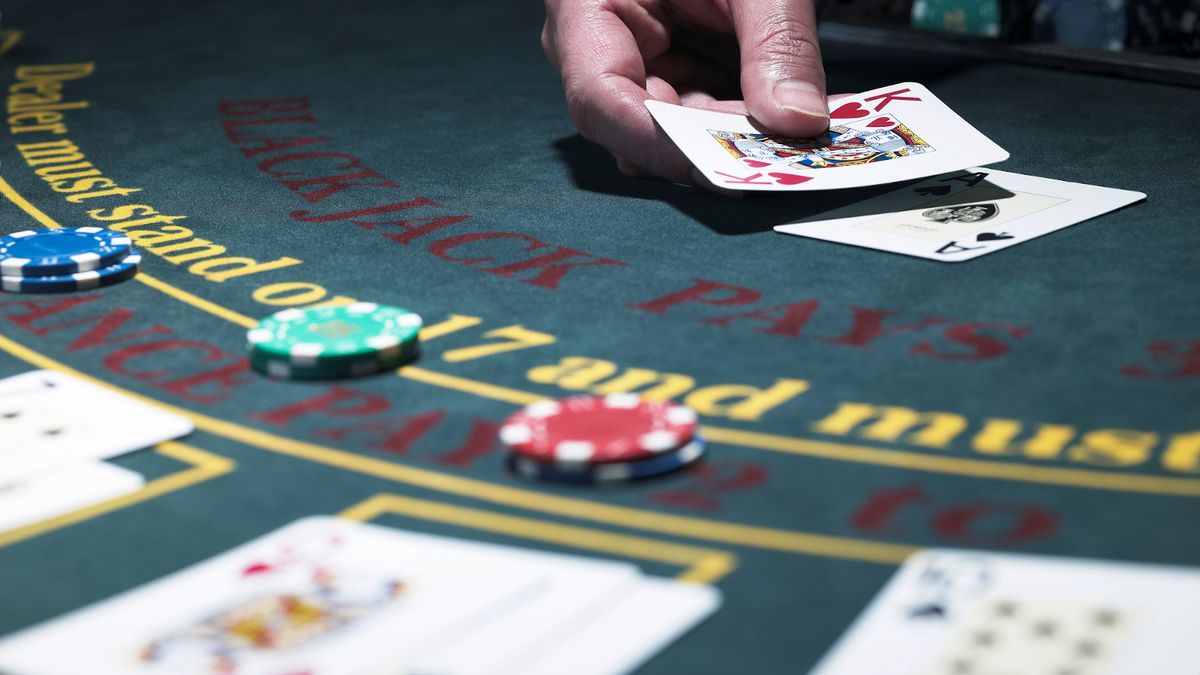
Before we move on to poker, let’s talk about counting cards in other games first. Counting cards is one of many strategies used in casino games like blackjack, where card counting is used to gain an edge over the casino. Card counting involves keeping track of the cards that have been dealt to determine what might remain in the deck.

A successful blackjack card counter will use a count system and increase their bets when the remaining cards in the deck are favorable. More acceptable tools, like online blackjack calculators, allow players to prepare and learn about blackjack without running afoul of casino rules.

Players can also use a blackjack ‘cheat sheet’ and free online blackjack games to learn about the game’s rules and strategy.

Counting Cards in Baccarat

Counting cards in baccarat is different from counting cards in blackjack. In baccarat, players have less control over the game because they don’t decide when to hit or stand like in blackjack.

Baccarat uses multiple decks of cards shuffled together, making it more challenging to track individual cards.
Play Baccarat Games Online!Play Baccarat Games Online!What’s the best way to learn a (simple) game like Baccarat and increase your win rate?

Play Now However, some players attempt to track the outcomes of the hands using scorecards or observing patterns. They may look for trends like “streaks” where either the Player or Banker’s hand wins multiple times in a row.

Some players believe that recognizing patterns can help them make more informed bets. Still, it’s essential to understand that baccarat is largely a game of chance, and any perceived patterns may not hold true over the long run.

Casinos that offer real money baccarat are also aware of players attempting to count cards in baccarat, and they take measures to prevent it, such as frequent reshuffling or using automatic shuffling machines.

Unlike blackjack, where card counting can provide a statistical advantage, card counting in baccarat is less effective and more challenging to implement successfully.

Counting Cards in Poker

Card counting in poker fundamentally differs from what you will find in blackjack. Poker games like Texas hold’em and Omaha deal cards face down, so the only known information is what can be seen on the flop and what is in a player’s hand.

However, poker players can still use what they know to determine the probability of what combinations of cards other players might have. This information can be used to bluff or assess the odds in a given hand.
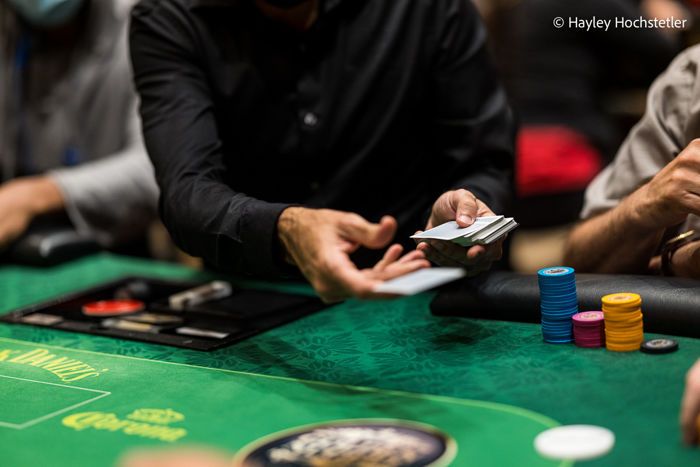
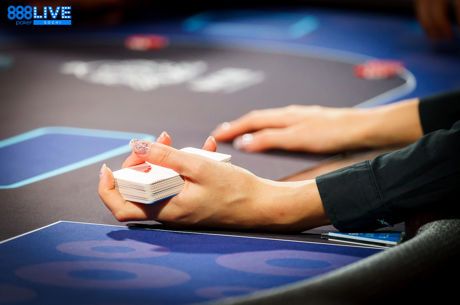
Can You Count Cards in Poker?A poker dealer pitching cards

Can you Count Cards in Poker?

You can’t count cards in poker games in the traditional way. Stud games do allow a player to see the cards of other players to determine the likelihood of particular draws, but players do not use the same counting system as a game like blackjack.

Players can’t count cards in poker in the same way that they might in blackjack. In blackjack, a player will use a system to calculate the value of all the cards on the table. This running count indicates when the deck is favorable; at this point, the player will increase their bet. This type of counting system is not necessary in poker.

In poker, players sometimes use what is called blockers. Blockers are the cards in your hand that reduce the chance of your opponents holding a specific combination of cards. Stud games also have more cards shown, which can give the player more information.

Why Count Cards in Poker?

Using all the information available to you at a table is essential to finding success in poker. Understanding blockers will give players insight into their opponent’s range and open up more bluffing opportunities.

Understanding the probability of draws and other hands using blockers will increase a player’s chance of making the right decision.

Card counting is generally legal in poker, as it’s considered a skill-based game where players compete against each other. Unlike blackjack, where card counting can provide an advantage against the house, in poker, it doesn’t give players an edge over other players. Using freely available information to determine the probability of an outcome is encouraged and marks the sign of a good poker player.

However, using external devices or collaborating with others to gain an unfair advantage is typically against the rules in poker.

Blackjack vs Poker Card Counting - What’s the Difference?

The key difference between card counting in blackjack and poker lies in the game’s nature. In blackjack, card counting involves tracking high and low-value cards to gain a statistical advantage against the house.

In poker, card counting is less relevant, as it’s a game of skill and strategy where players compete against each other, not the house. However, certain card counting techniques, such as identifying ‘blockers’, are used to count and utilize relevant cards in a game of poker.

Blackjack Poker
Players use a counting system Players have limited information
Bets are increased when the count is favorable Poker players exploit other players and the strength of their hand
Card counting is legal, but not allowed at casinos Blockers and using other information is an accepted part of poker

Counting Cards in PokerCounting Cards in Poker

Counting Cards in Poker FAQ

Can you count cards in Texas Hold’em poker?Players can use hole cards in combination with the community cards to determine the probability of an opponent’s hand.

Can you count cards in Pot-Limit Omaha poker?Similar to Texas Hold’em, players can use hole cards in combination with the community cards to determine the probability of an opponent’s hand.

Can you count cards in Stud poker?Keeping track of the up-cards given to every player in a stud poker game is important. By keeping track of the cards that are gone, you can make the right decision about your draws and your opponents’ hands.

Can you count cards in Razz poker?Similar to stud, It’s important to keep track of the up-cards given to every player in a razz poker game. By keeping track of the cards that are gone, you can make the right decision about your draws and your opponents’ hands.

Can you count cards in PLO8 poker?Similar to pot-limit Omaha, players can use hole cards in combination with community cards to determine the probability of an opponent’s hand.

Do professional poker players count cards?Professional poker players use the concept of blockers to determine the probability of an outcome in poker.

Can you count cards in online poker?Similar to live poker, you can use your hole cards and the community cards to apply the blockers concept to your decisions.

Is card counting possible in poker?No, not in the way that you might count cards in blackjack.

Is counting cards in poker cheating?No.

What are blockers in poker?Blockers are a form of ‘card counting’ in poker where players use their hole cards and the community cards to determine what combinations of cards an opponent may or may not have.

Share this article authorMatt HansenLive Reporting ExecutiveLas Vegas-based PokerNews Live Reporting Executive, originally from Chicago, IL

Follow on- TagsOmahaTexas Holdem
  • Blackjack Surrender Rule: a Beginner’s GuideBlackjack Surrender Rule: a Beginner’s Guide
  • Single Deck Blackjack Strategy to Win More OftenSingle Deck Blackjack Strategy to Win More Often

  • Can Phil Hellmuth Fold Pocket Kings on Hustler Casino Live?Can Phil Hellmuth Fold Pocket Kings on Hustler Casino Live?
  • Strategy Vault: Seven Ways to Keep the Game Moving and Increase Your Hourly ProfitStrategy Vault: Seven Ways to Keep the Game Moving and Increase Your Hourly Profit

  • Strategy Vault: Bankroll Management - A Cashout StrategyStrategy Vault: Bankroll Management - A Cashout Strategy

  • Strategy Vault: Bankroll Management - Shot Taking & Moving Up in StakesStrategy Vault: Bankroll Management - Shot Taking & Moving Up in Stakes

  • Strategy Vault: An Introduction to Poker Bankroll ManagementStrategy Vault: An Introduction to Poker Bankroll Management
  • Strategy Vault: Does Your Opponent Have a Flush? Here’s How to TellStrategy Vault: Does Your Opponent Have a Flush? Here’s How to Tell

Show more postsLoading…Available in us United States Latest poker news, poker strategies and special offers.

+ Get the Texas Hold’em Poker Cheat Sheet - FREE

Delivered within 24 hours of verifyingyour email address.

This site only collects related articles. Viewing the original, please copy and open the following link:Counting Cards in Poker - How it Works and is it Legal? PokerNews

Latest Articles Popular Articles
Recommended Articles

- YouTube

Enjoy the videos and music you love upload original content and share it all with friends family and the world on YouTube.

Card Counting - How Blackjack Works HowStuffWorks

PrevNEXT Card counting is really just an extension of the basic strategy. It doesn’t require a photographic memory or a degree in mathematics. Although the first card-counting systems were developed and published in statistical journals by mathematicians, the actual counting isn’t that hard. The hard part is keeping from getting thrown out of the casino. Counting cards is not cheating. The casinos tried to get laws passed that would make counting a crime, but the courts declared that counting is simply a skillful use of the information available to the player. Which means it’s okay to count, right? Advertisement Not so fast. Casinos are private property. They can throw you off their property for any reason at all, including playing a game so well that they start to lose money. And once you’ve been kicked out, returning can result in a trespassing charge. We’ll explain how to avoid getting caught in a minute, but first you need to learn how to count. The basic strategy is based on odds that take into account all the cards in the deck. There’s a slight flaw with that strategy, however: After a hand is played, the dealer puts the used cards in the discard tray, and deals the next hand with the remainder of that same deck. Approximately half to three-quarters of a deck might be used before the dealer reshuffles. That means that there are a lot of cards in the discard tray that a basic strategy is still accounting for. Card counting systems calculate the odds of a 10-value card being drawn based only on the cards still in the deck. One common card-counting system assigns a value to certain cards in the deck: Twos through Sixes are given a +1 value. Tens through Aces are given a -1 value Sevens, Eights, and Nines are valued at zero. As the player sees the cards being played (and subsequently discarded), he adds those values together. From a starting point of zero, this “running count” fluctuates between negative and positive values. If the first hand dealt from a deck has a Two (+1), a Nine (0), a King (-1), an Ace (-1), a Ten (-1), and a Jack (-1), the running count is -3. The higher the running count, the more low-value cards have gone into the discard tray. That means there is a higher percentage of high-value cards still in the deck. Why is that important? Recall how the basic strategy is based on the assumption that the next card will be a 10-value card. If you know that there is a greater percentage of 10-value cards in the deck than usual, that assumption – and therefore the overall basic strategy – becomes that much stronger. So how does card counting change the rules of the basic strategy? It doesn’t. What it does change is how much you bet. A typical “system” player (someone who uses a card-counting system) will bet the table minimum when the deck is fresh. When the running count hits a certain level, such as +4 or higher, the player then makes a much larger bet or doubles down aggressively. The higher the count, the bigger the bet. The system player uses these beneficial odds to make a big win or two while the deck is “hot.” If the count drops below zero or the deck is shuffled, he returns to the minimum bet. In the next section, we’ll explain how the casinos try to stop the counters and how the counters try to hide their advantage.

Card Counting 101

Learn the basics of card counting how to get started and why its important for casino staff to learn this.

Whats the Best Card Counting System? - Gambling With An Edge

September 12, 2022Leave a Comment Written by Arnold Snyder A Comparison of the Top 100 By Arnold Snyder(From Blackjack Forum Volume I #3, September 1981)© Blackjack Forum 1981 Note to players from Arnold Snyder: This is a technical article on the way professional blackjack players and count system developers compare card counting systems. If you’re new to card counting, and are looking for your first card-counting system, I recommend you start with our Intro to Winning Blackjack article. There are links in that article to several card counting systems, from the easiest system I’ve ever seen to a full professional-level system, as well as information for new card counters on how to choose the best system for you. A number of blackjack players have written me asking my opinion of the “best” card counting system. This is a loaded question. As I mentioned in Blackjack Forum #I I have been using the Hi-Opt II count, because I like its power and simplicity for my ability and style of play. Note from A.S.–Soon after this article was written I switched to the Zen Count for single deck play. When I began shuffle tracking, I switched to the Hi Lo Lite Count. Complete information about both counts is provided in Blackbelt in Blackjack. If you are using a card counting system with which you are comfortable, and you feel you can play it accurately, then stick with it. There is more money to be made by finding and exploiting lucrative table conditions than by “upgrading” your card counting strategy. Your “act” is more important than any amount of complex mental arithmetic you do at the tables. Card counting is automatic and boring once you know your system. This is as it should be, so that you may apply your efforts to the more important work of pretending to be a non-card-counter; engaging dealers and pit-bosses in conversation; flirting with cocktail waitresses; acting engrossed in the Keno board, etc. Some players find card counting easy, and/or are so dedicated to practice that they can accurately apply higher level card-counting strategies. By a “higher level count,” I mean a count that assigns card values other than +1, -1, or 0. A “multi-parameter count,” on the other hand, is one that keeps separate running counts for various cards. I am of the opinion that the most difficult higher level single parameter card counting system (i.e. – no “side counts”) are easier to play with accuracy, than the “simplest” level one multi-parameter card counting systems. Most card counters, including serious professionals, should stick with level one single-parameter card counting systems. Some players may obtain a slightly greater advantage by applying a higher level single-parameter count strategy. I’ve analyzed more than 100 different single-parameter systems, including both those that are currently available and some that are purely theoretical to determine the “best”, in terms of potential returns on the dollar. The Search for the Best Card Counting System: MethodologyMy method of comparing systems is to apply the “Blackjack Formula,” inserting the various systems’ playing efficiencies and betting correlations. If you have my book, The Blackjack Formula, see page 54 for such a comparison of eight popular card counting systems. In this comparison, I tested each system vs. Vegas Strip rules in a singledeck game with a 1 to 4 betting spread, and 60%, 70% and 80% of the cards dealt out. I’ve similarly tested many other actual and hypothetical card counting systems in both single and multi-deck games, assuming various betting spreads. Although differences between systems are slight, this methodology allows card-counting systems to be ranked by profit potential with relative accuracy if we assume accurate strategy tables are being used. What I’ve found is that the higher-level systems perform at a rate of profit of about .1% better than the level one systems. My method of computing the playing efficiencies and betting correlations of the various systems is explained in The Blackjack Formula (pages 85 through 90). My method is a simplification of Peter Griffin’s method in Theory of Blackjack, and for all practical purposes, is just as accurate. The card counting systems that I analyzed in seeking the best ranged from level one through level four (i.e., I did not attempt to analyze any count system with values greater than +4). There appears to be no practical reason for employing a count system greater than a level two. I could find no significantly better count than that which applies the following values: A 2 3 4 5 6 7 8 9 X -1 +1 +1 +2 +2 +2 +1 0 0 -2 This count, which I will dub the Zen Count, has a playing efficiency of .63 and a betting efficiency of .97. Curiously, the ace, valued at -1, is not neutralized (valued 0), but “half” neutralized. In other words, I have “taken the middle road. – a zen approach. It is this trick that keeps the betting efficiency high, while maintaining a very respectable playing efficiency. The following table shows how various counts rank, according to the Blackjack Formula, assuming a 1-to-4 spread, single-deck game, Vegas Strip rules, dealt out 70% between shuffles: System Rate of Profit Zen Count 2.00 Uston APC 1.98 Revere APC ’73 1.97 Wong Halves 1.96 Hi-Opt II 1.96 Canfield Master 1.96 Revere Point Count 1.95 Uston Adv. +/- 1.89 Canfield Expert 1.88 Hi-Lo 1.87 Hi-Opt I 1.86 Revere +/- 1.86 Andersen Count 1.80 DHM (Simple) 1.78 The top-ranked (level two) Zen Count is simpler than any of the next three counts which are level 3, level 4, and level 3, respectively. As I noted earlier, I use the Hi-Opt II count. My reason for this is that the gain from using the Zen Count is very slight, and frankly Hi-Opt II is slightly simpler. I’m a great believer in simplicity. Nor could I say for certain that the Zen Count is undeniably superior. The Blackjack Formula indicates a negligible superiority under most conditions. Of academic interest, the best single parameter card counting systems are those numbered #91, #92, #93 and #94. These systems represent the upper limit of single parameter systems which score high in both playing efficiency and betting correlation. All of these systems employ the same device of not-quite-neutralizing the Ace. Although I believe it would be easier to play one of these level four single-parameter systems accurately, than it would be to play any multi-parameter system, I would not advise any player to mess with one of these monsters. The potential gain from using one of these counts, compared to that of the relatively simple Zen count, is negligible. For instance, in the Vegas Strip game used in the prior comparison, in which the Blackjack Formula predicts the Uston APC would win at a rate of 1.98% and the Zen Count would win 2.00%, any one of the level four counts would win at a rate of only 2.02%. The Blackiack Formula, to be fair, is not actually accurate enough to make such a fine comparison. But count #92, which has a playing efficiency of .67, and a betting correlation of .95, would undeniably rank higher than Hi-Opt II, which also has a playing efficiency of .67, but a betting correlation of only .91. The following table lists the playing efficiencies and betting correlations of 100 selected card counting systems (with sincere thanks to Brian Gothberg for writing the computer program that generated these results). Count 2 3 4 5 6 7 8 9 X A PE BC 1 0 0 0 1 0 0 0 0 0 -1 .05 .53 2 1 1 1 1 0 0 0 0 -1 0 .56 .86 3 0 1 1 1 1 0 0 0 -1 0 .61 .88 4 0 0 1 1 1 1 0 0 -1 0 .64 .85 5 1 1 1 1 1 0 0 0 -1 -1 .51 .97 6 0 1 1 1 1 1 0 0 -1 -1 .55 .95 7 1 1 1 1 1 0 0 -1 -1 0 .59 .92 8 0 1 1 1 1 1 0 -1 -1 0 .63 .89 9 1 1 1 1 1 1 0 -1 -1 -1 .54 .98 10 0 0 1 1 0 0 0 0 0 -2 .05 .58 11 0 0 2 2 0 0 0 0 -1 0 .49 .78 12 0 0 1 2 1 0 0 0 -1 0 .57 .83 13 0 1 1 2 1 0 0 0 -1 -1 .51 .94 14 0 0 1 2 1 1 0 0 -1 -1 .53 .91 15 0 1 1 2 1 0 0 -1 -1 0 .57 .89 16 0 0 1 2 1 1 0 -1 -1 0 .59 .86 17 0 0 2 2 1 0 0 0 -1 -1 .47 .89 18 0 0 2 2 1 0 0 -1 -1 0 .53 .84 19 1 1 1 2 1 0 0 -1 -1 -1 .51 .97 20 0 1 1 2 1 1 0 -1 -1 -1 .54 .96 21 0 1 2 2 1 0 0 -1 -1 -1 .49 .94 22 0 0 2 2 2 0 0 -1 -1 -1 .46 .89 23 1 1 1 2 1 0 0 0 -1 -2 .4 .96 24 0 1 1 2 1 1 0 0 -1 -2 .43 .94 25 0 1 2 2 1 0 0 0 -1 -2 .4 .93 26 0 0 2 2 2 0 0 0 -1 -2 .38 .88 27 1 1 1 2 1 1 0 -1 -1 -2 .45 .98 28 1 1 2 2 1 0 0 -1 -1 -2 .41 .97 29 1 1 1 1 1 1 1 -1 -1 -2 .43 .94 30 0 1 2 2 2 0 0 -1 -1 -2 .41 .93 31 0 1 2 2 1 1 0 -1 -1 -2 .44 .95 32 0 0 2 2 2 1 0 -1 -1 -2 .42 .91 33 1 1 1 1 1 1 1 1 -2 1 .61 .72 34 1 1 1 1 1 1 1 1 -2 0 .61 .8 35 1 1 1 2 1 1 1 0 -2 0 .67 .88 36 1 1 2 2 1 1 0 0 -2 0 .67 .91 37 1 1 2 2 2 0 0 0 -2 0 .63 .9 38 0 1 2 2 2 1 0 0 -2 0 .66 .89 39 0 2 2 2 2 1 0 -1 -2 0 .65 .91 40 1 1 2 2 2 1 0 -1 -2 0 .67 .93 41 1 2 2 2 2 0 0 -1 -2 0 .62 .92 42 1 1 2 2 2 1 0 0 -2 -1 .63 .97 43 1 2 2 2 2 0 0 0 -2 -1 .58 .95 44 0 2 2 2 2 1 0 0 -2 -1 .61 .94 45 1 2 2 2 2 1 0 -1 -2 -1 .62 .98 46 2 2 2 2 2 0 0 -1 -2 -1 .57 .97 47 0 2 2 2 2 2 0 -1 -2 -1 .62 .95 48 1 2 2 2 2 1 0 -2 -2 0 .63 .93 49 1 2 2 2 2 1 0 0 -2 -2 .56 .99 50 2 2 2 2 2 1 0 -2 -2 -1 .59 .97 51 2 2 2 2 2 1 0 -1 -2 -2 .55 1 52 1 2 2 2 2 2 0 -2 -2 -1 .61 .96 53 1 2 2 2 2 2 0 -1 -2 -2 .57 .99 54 2 2 2 2 2 1 0 0 -2 -3 .48 .98 55 1 2 2 2 2 2 0 0 -2 -3 .49 .97 56 1 2 2 3 2 1 0 0 -2 -3 .49 .98 57 1 2 3 3 2 0 0 0 -2 -3 .46 .97 58 1 2 3 3 1 1 0 0 -2 -3 .48 .97 59 1 1 3 3 2 1 0 0 -2 -3 .49 .97 60 0 2 3 3 2 1 0 0 -2 -3 .48 .96 61 0 2 3 3 3 0 0 0 -2 -3 .45 .94 62 1 2 2 3 2 1 0 -1 -2 -2 .57 1 63 1 2 3 3 2 0 0 -1 -2 -2 .53 .98 64 0 2 3 3 2 1 0 -1 -2 -2 .55 .97 65 1 2 3 3 2 1 0 -1 -2 -3 .5 1 66 1 2 3 3 2 1 0 0 -3 0 .66 .92 67 2 2 2 3 2 1 0 0 -3 0 .66 .92 68 2 2 3 3 2 0 0 0 -3 0 .63 .91 69 1 2 3 3 3 0 0 0 -3 0 .63 .9 70 1 2 3 3 2 2 0 -1 -3 0 .68 .93 71 2 2 3 3 2 2 0 -1 -3 0 .67 .94 72 2 2 3 3 3 1 0 -1 -3 0 .66 .94 73 1 2 3 3 3 2 0 -2 -3 0 .67 .93 74 1 2 3 3 2 2 0 0 -3 -1 .65 .95 75 2 2 3 3 2 2 0 0 -3 -1 .64 .96 76 2 2 3 3 3 1 0 0 -3 -1 .63 .96 77 1 2 3 3 2 2 0 0 -3 -2 .61 .97 78 2 2 3 3 3 2 0 -1 -3 -2 .62 .99 79 2 2 3 3 3 2 0 0 -3 -3 .56 .99 80 2 3 3 3 3 2 0 -1 -3 -3 .57 1 81 1 2 3 4 2 1 0 -1 -3 0 .66 .93 82 2 2 3 4 2 1 0 -2 -3 0 .65 .94 83 2 2 3 4 2 2 0 -2 -3 -1 .64 .97 84 2 2 3 4 3 2 0 -2 -3 -2 .61 .99 85 2 2 3 4 3 2 0 -1 -3 -3 .58 1 86 2 3 3 4 3 2 0 -1 -3 -4 .53 1 87 2 3 3 4 3 2 0 -1 -4 0 .68 .93 88 2 3 3 4 3 2 0 0 -4 -1 .66 .95 89 2 2 4 4 3 2 0 0 -4 -1 .66 .95 90 3 3 4 4 2 2 0 -1 -4 -1 .64 .96 91 2 3 4 4 3 2 0 -1 -4 -1 .66 .96 92 2 2 4 4 3 3 0 -1 -4 -1 .67 .95 93 2 3 4 4 3 3 0 -2 -4 -1 .66 .96 94 3 3 4 4 3 2 0 -2 -4 -1 .65 .97 95 3 3 4 4 3 3 0 -2 -4 -2 .63 .98 96 3 3 4 4 3 3 0 0 -4 -4 .56 .99 97 3 3 4 4 4 2 0 0 -4 -4 .56 .99 98 3 3 4 4 4 3 0 -1 -4 -4 .57 1 99 3 3 4 4 3 3 0 -1 -4 -3 .6 .99 100 3 3 4 4 4 2 0 -1 -4 -3 .6 .99 Any player who would like to play what may be the “best” practical card counting system ever devised, may obtain complete strategy tables for the Zen Count (developed by yours truly) in the 2005 edition of Blackbelt in Blackjack. I used the Zen Count myself when playing deeply dealt single deck (back when such games were available at full payouts on naturals). You can find more information on the Zen Count here: Zen Count Indices. If I were still strictly counting cards, I would still be using the Zen Count. However, when I switched to shuffle tracking, I switched to the Hi-Lo Lite count. I made that switch because I wanted an easier count (to allow for the complications added by shuffle tracking) without giving up much power. You can find a link to information on the Hi-Lo Lite at the upper left of this page, with complete information in Blackbelt in Blackjack. ♠ By Arnold Snyder(From Blackjack Forum Volume I #3, September 1981)© Blackjack Forum 1981 Note to players from Arnold Snyder: This is a technical article on the way professional blackjack players and count system developers compare card counting systems. If you’re new to card counting, and are looking for your first card-counting system, I recommend you start with our Intro to Winning Blackjack article. There are links in that article to several card counting systems, from the easiest system I’ve ever seen to a full professional-level system, as well as information for new card counters on how to choose the best system for you. A number of blackjack players have written me asking my opinion of the “best” card counting system. This is a loaded question. As I mentioned in Blackjack Forum #I I have been using the Hi-Opt II count, because I like its power and simplicity for my ability and style of play. Note from A.S.–Soon after this article was written I switched to the Zen Count for single deck play. When I began shuffle tracking, I switched to the Hi Lo Lite Count. Complete information about both counts is provided in Blackbelt in Blackjack. If you are using a card counting system with which you are comfortable, and you feel you can play it accurately, then stick with it. There is more money to be made by finding and exploiting lucrative table conditions than by “upgrading” your card counting strategy. Your “act” is more important than any amount of complex mental arithmetic you do at the tables. Card counting is automatic and boring once you know your system. This is as it should be, so that you may apply your efforts to the more important work of pretending to be a non-card-counter; engaging dealers and pit-bosses in conversation; flirting with cocktail waitresses; acting engrossed in the Keno board, etc. Some players find card counting easy, and/or are so dedicated to practice that they can accurately apply higher level card-counting strategies. By a “higher level count,” I mean a count that assigns card values other than +1, -1, or 0. A “multi-parameter count,” on the other hand, is one that keeps separate running counts for various cards. I am of the opinion that the most difficult higher level single parameter card counting system (i.e. – no “side counts”) are easier to play with accuracy, than the “simplest” level one multi-parameter card counting systems. Most card counters, including serious professionals, should stick with level one single-parameter card counting systems. Some players may obtain a slightly greater advantage by applying a higher level single-parameter count strategy. I’ve analyzed more than 100 different single-parameter systems, including both those that are currently available and some that are purely theoretical to determine the “best”, in terms of potential returns on the dollar. The Search for the Best Card Counting System: Methodology My method of comparing systems is to apply the “Blackjack Formula,” inserting the various systems’ playing efficiencies and betting correlations. If you have my book, The Blackjack Formula, see page 54 for such a comparison of eight popular card counting systems. In this comparison, I tested each system vs. Vegas Strip rules in a singledeck game with a 1 to 4 betting spread, and 60%, 70% and 80% of the cards dealt out. I’ve similarly tested many other actual and hypothetical card counting systems in both single and multi-deck games, assuming various betting spreads. Although differences between systems are slight, this methodology allows card-counting systems to be ranked by profit potential with relative accuracy if we assume accurate strategy tables are being used. What I’ve found is that the higher-level systems perform at a rate of profit of about .1% better than the level one systems. My method of computing the playing efficiencies and betting correlations of the various systems is explained in The Blackjack Formula (pages 85 through 90). My method is a simplification of Peter Griffin’s method in Theory of Blackjack, and for all practical purposes, is just as accurate. The card counting systems that I analyzed in seeking the best ranged from level one through level four (i.e., I did not attempt to analyze any count system with values greater than +4). There appears to be no practical reason for employing a count system greater than a level two. I could find no significantly better count than that which applies the following values: A 2 3 4 5 6 7 8 9 X -1 +1 +1 +2 +2 +2 +1 0 0 -2 This count, which I will dub the Zen Count, has a playing efficiency of .63 and a betting efficiency of .97. Curiously, the ace, valued at -1, is not neutralized (valued 0), but “half” neutralized. In other words, I have “taken the middle road. – a zen approach. It is this trick that keeps the betting efficiency high, while maintaining a very respectable playing efficiency. The following table shows how various counts rank, according to the Blackjack Formula, assuming a 1-to-4 spread, single-deck game, Vegas Strip rules, dealt out 70% between shuffles: System Rate of Profit Zen Count 2.00 Uston APC 1.98 Revere APC ’73 1.97 Wong Halves 1.96 Hi-Opt II 1.96 Canfield Master 1.96 Revere Point Count 1.95 Uston Adv. +/- 1.89 Canfield Expert 1.88 Hi-Lo 1.87 Hi-Opt I 1.86 Revere +/- 1.86 Andersen Count 1.80 DHM (Simple) 1.78 The top-ranked (level two) Zen Count is simpler than any of the next three counts which are level 3, level 4, and level 3, respectively. As I noted earlier, I use the Hi-Opt II count. My reason for this is that the gain from using the Zen Count is very slight, and frankly Hi-Opt II is slightly simpler. I’m a great believer in simplicity. Nor could I say for certain that the Zen Count is undeniably superior. The Blackjack Formula indicates a negligible superiority under most conditions. Of academic interest, the best single parameter card counting systems are those numbered #91, #92, #93 and #94. These systems represent the upper limit of single parameter systems which score high in both playing efficiency and betting correlation. All of these systems employ the same device of not-quite-neutralizing the Ace. Although I believe it would be easier to play one of these level four single-parameter systems accurately, than it would be to play any multi-parameter system, I would not advise any player to mess with one of these monsters. The potential gain from using one of these counts, compared to that of the relatively simple Zen count, is negligible. For instance, in the Vegas Strip game used in the prior comparison, in which the Blackjack Formula predicts the Uston APC would win at a rate of 1.98% and the Zen Count would win 2.00%, any one of the level four counts would win at a rate of only 2.02%. The Blackiack Formula, to be fair, is not actually accurate enough to make such a fine comparison. But count #92, which has a playing efficiency of .67, and a betting correlation of .95, would undeniably rank higher than Hi-Opt II, which also has a playing efficiency of .67, but a betting correlation of only .91. The following table lists the playing efficiencies and betting correlations of 100 selected card counting systems (with sincere thanks to Brian Gothberg for writing the computer program that generated these results). Count 2 3 4 5 6 7 8 9 X A PE BC 1 0 0 0 1 0 0 0 0 0 -1 .05 .53 2 1 1 1 1 0 0 0 0 -1 0 .56 .86 3 0 1 1 1 1 0 0 0 -1 0 .61 .88 4 0 0 1 1 1 1 0 0 -1 0 .64 .85 5 1 1 1 1 1 0 0 0 -1 -1 .51 .97 6 0 1 1 1 1 1 0 0 -1 -1 .55 .95 7 1 1 1 1 1 0 0 -1 -1 0 .59 .92 8 0 1 1 1 1 1 0 -1 -1 0 .63 .89 9 1 1 1 1 1 1 0 -1 -1 -1 .54 .98 10 0 0 1 1 0 0 0 0 0 -2 .05 .58 11 0 0 2 2 0 0 0 0 -1 0 .49 .78 12 0 0 1 2 1 0 0 0 -1 0 .57 .83 13 0 1 1 2 1 0 0 0 -1 -1 .51 .94 14 0 0 1 2 1 1 0 0 -1 -1 .53 .91 15 0 1 1 2 1 0 0 -1 -1 0 .57 .89 16 0 0 1 2 1 1 0 -1 -1 0 .59 .86 17 0 0 2 2 1 0 0 0 -1 -1 .47 .89 18 0 0 2 2 1 0 0 -1 -1 0 .53 .84 19 1 1 1 2 1 0 0 -1 -1 -1 .51 .97 20 0 1 1 2 1 1 0 -1 -1 -1 .54 .96 21 0 1 2 2 1 0 0 -1 -1 -1 .49 .94 22 0 0 2 2 2 0 0 -1 -1 -1 .46 .89 23 1 1 1 2 1 0 0 0 -1 -2 .4 .96 24 0 1 1 2 1 1 0 0 -1 -2 .43 .94 25 0 1 2 2 1 0 0 0 -1 -2 .4 .93 26 0 0 2 2 2 0 0 0 -1 -2 .38 .88 27 1 1 1 2 1 1 0 -1 -1 -2 .45 .98 28 1 1 2 2 1 0 0 -1 -1 -2 .41 .97 29 1 1 1 1 1 1 1 -1 -1 -2 .43 .94 30 0 1 2 2 2 0 0 -1 -1 -2 .41 .93 31 0 1 2 2 1 1 0 -1 -1 -2 .44 .95 32 0 0 2 2 2 1 0 -1 -1 -2 .42 .91 33 1 1 1 1 1 1 1 1 -2 1 .61 .72 34 1 1 1 1 1 1 1 1 -2 0 .61 .8 35 1 1 1 2 1 1 1 0 -2 0 .67 .88 36 1 1 2 2 1 1 0 0 -2 0 .67 .91 37 1 1 2 2 2 0 0 0 -2 0 .63 .9 38 0 1 2 2 2 1 0 0 -2 0 .66 .89 39 0 2 2 2 2 1 0 -1 -2 0 .65 .91 40 1 1 2 2 2 1 0 -1 -2 0 .67 .93 41 1 2 2 2 2 0 0 -1 -2 0 .62 .92 42 1 1 2 2 2 1 0 0 -2 -1 .63 .97 43 1 2 2 2 2 0 0 0 -2 -1 .58 .95 44 0 2 2 2 2 1 0 0 -2 -1 .61 .94 45 1 2 2 2 2 1 0 -1 -2 -1 .62 .98 46 2 2 2 2 2 0 0 -1 -2 -1 .57 .97 47 0 2 2 2 2 2 0 -1 -2 -1 .62 .95 48 1 2 2 2 2 1 0 -2 -2 0 .63 .93 49 1 2 2 2 2 1 0 0 -2 -2 .56 .99 50 2 2 2 2 2 1 0 -2 -2 -1 .59 .97 51 2 2 2 2 2 1 0 -1 -2 -2 .55 1 52 1 2 2 2 2 2 0 -2 -2 -1 .61 .96 53 1 2 2 2 2 2 0 -1 -2 -2 .57 .99 54 2 2 2 2 2 1 0 0 -2 -3 .48 .98 55 1 2 2 2 2 2 0 0 -2 -3 .49 .97 56 1 2 2 3 2 1 0 0 -2 -3 .49 .98 57 1 2 3 3 2 0 0 0 -2 -3 .46 .97 58 1 2 3 3 1 1 0 0 -2 -3 .48 .97 59 1 1 3 3 2 1 0 0 -2 -3 .49 .97 60 0 2 3 3 2 1 0 0 -2 -3 .48 .96 61 0 2 3 3 3 0 0 0 -2 -3 .45 .94 62 1 2 2 3 2 1 0 -1 -2 -2 .57 1 63 1 2 3 3 2 0 0 -1 -2 -2 .53 .98 64 0 2 3 3 2 1 0 -1 -2 -2 .55 .97 65 1 2 3 3 2 1 0 -1 -2 -3 .5 1 66 1 2 3 3 2 1 0 0 -3 0 .66 .92 67 2 2 2 3 2 1 0 0 -3 0 .66 .92 68 2 2 3 3 2 0 0 0 -3 0 .63 .91 69 1 2 3 3 3 0 0 0 -3 0 .63 .9 70 1 2 3 3 2 2 0 -1 -3 0 .68 .93 71 2 2 3 3 2 2 0 -1 -3 0 .67 .94 72 2 2 3 3 3 1 0 -1 -3 0 .66 .94 73 1 2 3 3 3 2 0 -2 -3 0 .67 .93 74 1 2 3 3 2 2 0 0 -3 -1 .65 .95 75 2 2 3 3 2 2 0 0 -3 -1 .64 .96 76 2 2 3 3 3 1 0 0 -3 -1 .63 .96 77 1 2 3 3 2 2 0 0 -3 -2 .61 .97 78 2 2 3 3 3 2 0 -1 -3 -2 .62 .99 79 2 2 3 3 3 2 0 0 -3 -3 .56 .99 80 2 3 3 3 3 2 0 -1 -3 -3 .57 1 81 1 2 3 4 2 1 0 -1 -3 0 .66 .93 82 2 2 3 4 2 1 0 -2 -3 0 .65 .94 83 2 2 3 4 2 2 0 -2 -3 -1 .64 .97 84 2 2 3 4 3 2 0 -2 -3 -2 .61 .99 85 2 2 3 4 3 2 0 -1 -3 -3 .58 1 86 2 3 3 4 3 2 0 -1 -3 -4 .53 1 87 2 3 3 4 3 2 0 -1 -4 0 .68 .93 88 2 3 3 4 3 2 0 0 -4 -1 .66 .95 89 2 2 4 4 3 2 0 0 -4 -1 .66 .95 90 3 3 4 4 2 2 0 -1 -4 -1 .64 .96 91 2 3 4 4 3 2 0 -1 -4 -1 .66 .96 92 2 2 4 4 3 3 0 -1 -4 -1 .67 .95 93 2 3 4 4 3 3 0 -2 -4 -1 .66 .96 94 3 3 4 4 3 2 0 -2 -4 -1 .65 .97 95 3 3 4 4 3 3 0 -2 -4 -2 .63 .98 96 3 3 4 4 3 3 0 0 -4 -4 .56 .99 97 3 3 4 4 4 2 0 0 -4 -4 .56 .99 98 3 3 4 4 4 3 0 -1 -4 -4 .57 1 99 3 3 4 4 3 3 0 -1 -4 -3 .6 .99 100 3 3 4 4 4 2 0 -1 -4 -3 .6 .99 Any player who would like to play what may be the “best” practical card counting system ever devised, may obtain complete strategy tables for the Zen Count (developed by yours truly) in the 2005 edition of Blackbelt in Blackjack. I used the Zen Count myself when playing deeply dealt single deck (back when such games were available at full payouts on naturals). You can find more information on the Zen Count here: Zen Count Indices. If I were still strictly counting cards, I would still be using the Zen Count. However, when I switched to shuffle tracking, I switched to the Hi-Lo Lite count. I made that switch because I wanted an easier count (to allow for the complications added by shuffle tracking) without giving up much power. You can find a link to information on the Hi-Lo Lite at the upper left of this page, with complete information in Blackbelt in Blackjack. ♠ Uncategorized

# Article Title Keyword Article Link Article Details